

The global shipping industry is facing an unprecedented "simultaneous crisis": two major canals, the Panama Canal and the Suez Canal, are both facing navigation difficulties, although the Panama Canal has shown some improvement. The Panama Canal in Central America, as a key passage connecting the Atlantic and Pacific oceans, has implemented navigation control measures since 2023 due to water shortage in the water supply lake. Since then, ships have been waiting for navigation at the entrance of the canal, resulting in frequent congestion and putting tremendous pressure on global shipping.
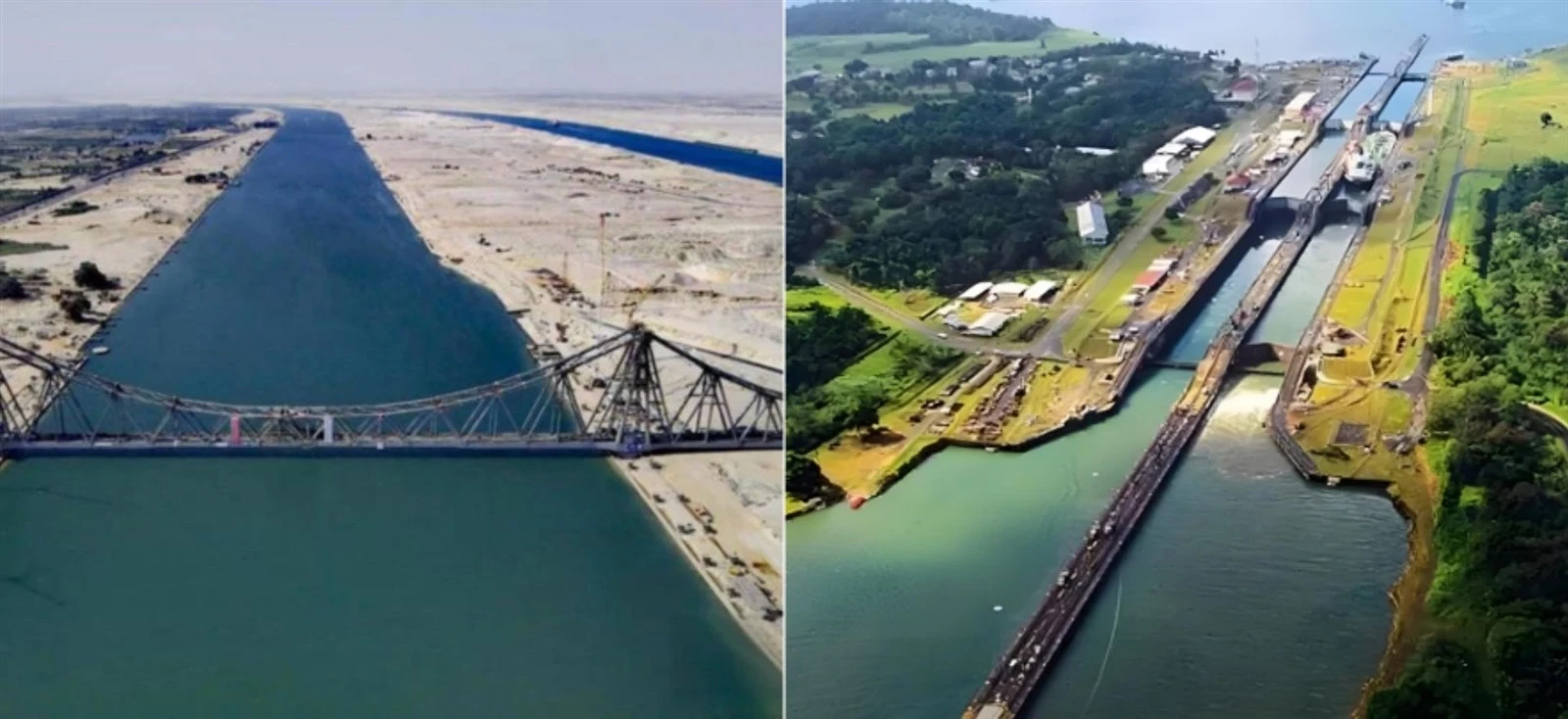
The importance of the Panama Canal is self-evident. It is an important waterway for transporting food and energy from the east coast of North America and the Gulf of Mexico to Asia. However, after the restriction of the Panama Canal, goods that originally relied on this waterway had to find alternative routes, which are through the Mediterranean Sea and the Suez Canal to reach Asia. However, this alternative plan also faced challenges in October 2023. Due to the conflict between Israel and Hamas, the security situation in the Suez Canal became tense, and companies were forced to abandon this route, causing the global shipping industry to suffer another heavy blow. Currently, it is expected that the Panama Canal will not be fully lifted until 2025, and it is still unpredictable when the security situation in the Suez Canal will return to normal.
The spillover effect caused by the difficulty in passing through the two major canals is gradually emerging, effectively alleviating the problem of excess supply of liner capacity. From the second quarter, container ships began to experience empty sailings. According to statistics, there were 11 empty flights from Asia to the west coast of North America in April and May, and it is expected that from May onwards, there will also be empty flights on the Asia-Europe route due to insufficient ship supply. In addition, excessive concentration of ships on the four major routes has led to the displacement of transportation demand in regions such as South Africa and South America, further driving up freight rates.


