
Overview of maritime transportation
Maritime transport is the transportation of goods and people by sea using ships. It is an integral part of international trade and economic development, and one of the indispensable components of the development of a globalized economy.
Classification of Maritime Transportation
01
Classification according to the type of goods
According to the type of cargo classification can be divided into bulk cargo routes, container routes and tanker routes.
02
Classification according to service mode
According to the mode of service, maritime transportation can be divided into two kinds: regular route and non-regular route.
03
Classification according to service scope
According to the classification of service scope, marine transportation can be divided into international ocean shipping routes, coastal river shipping routes and harbor internal waters.
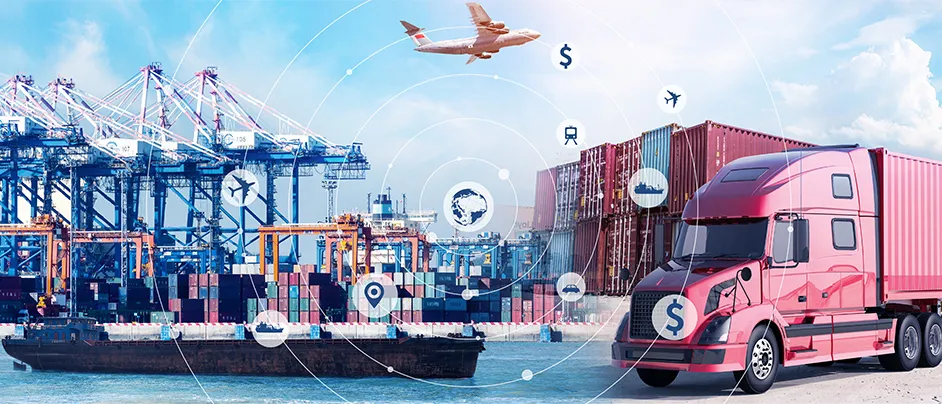
Marine transportation process
Cargo packing
Before the sea cargo transportation, the cargo needs to be packed. Usually, containers are used to load various types of goods for transportation by sea.
Cargo loading
After crating, the cargo needs to be loaded onto a ship. Generally, the cargo is loaded onto a container ship or a bulk carrier.
Sailing
Once the goods have been loaded onto the vessel, they will begin to be transported by sea. The ship will follow a predetermined route and encounter various weather and sea conditions along the way.
Unloading
Once the cargo arrives at its destination, it needs to be unloaded. Typically, a loading dock is used to accomplish this. The unloading process needs to be done safely and efficiently.
Advantages of sea transportation
Low transportation costs
Compared to other modes of transportation, such as air and road, ocean freight is much less expensive. This is due to the fact that ocean freight can carry a large amount of cargo at the same time and does not require frequent changes of vehicles or airplanes as in air and road transportation.
High capacity
The sea is one of the largest means of transportation in the world and as such it can carry more cargo and people. This means that more tasks can be accomplished in the same amount of time.
Environmentally friendly
Compared to other modes of transportation, such as cars and airplanes, the sea is better when it comes to environmental friendliness. The exhaust gas and waste water emitted by ships are treated before discharge, which has relatively less impact on environmental pollution.
Development trend of marine transportation
- 1. Increasing degree of informationization
With the continuous progress of science and technology, the maritime industry is also gradually realizing informationization, including digitalization, intelligence and other innovations.
- 2. Green Development Becomes Mainstream
With the continuous improvement of global environmental awareness, green development has become the mainstream trend in all industries. The shipping industry is also actively promoting green development, such as the use of new clean energy, optimization of routes and so on.
- 3. Continuous improvement of service quality
As competition intensifies, companies are gradually improving service quality and meeting customer needs. This will encourage the maritime industry to focus more on customer needs and continue to innovate to improve service quality.
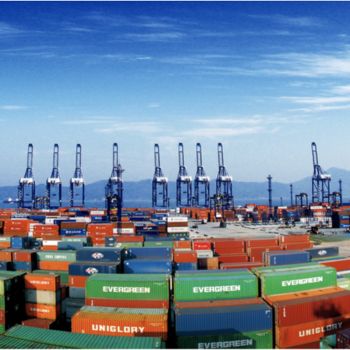
This article introduces the basics of maritime transportation, including an overview of maritime transportation, classification, processes, advantages and development trends. With the development of the global economy and the advancement of technology, it is believed that the maritime transportation industry will usher in more innovations and opportunities in the future.


