

Common sea containers
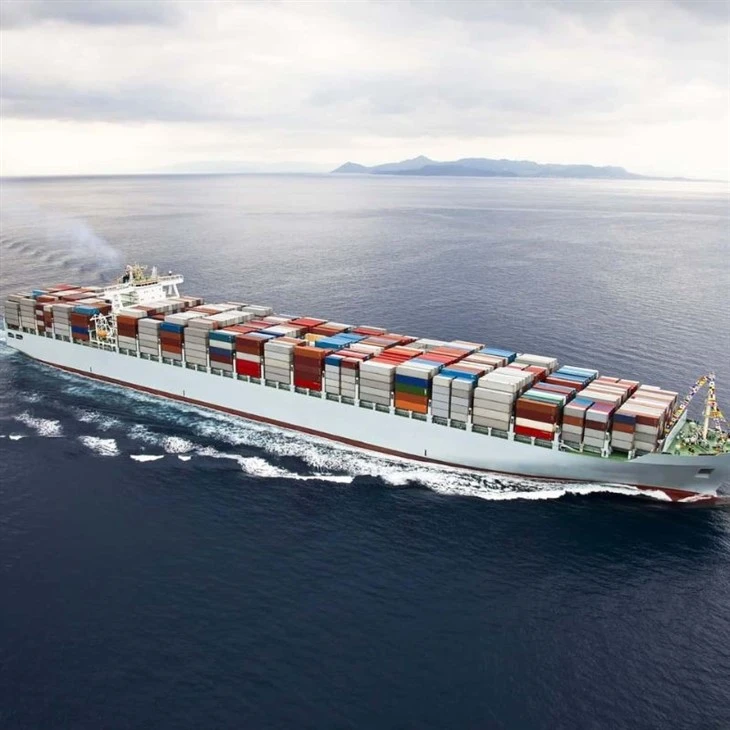
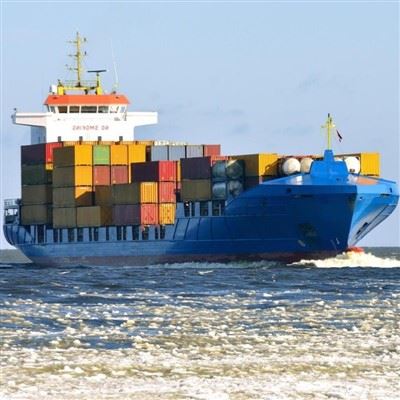
Types of containers: the most common are 20GP, 40GP, 40HQ and so on. These are common dry cargo containers.
20GP Normal loading 28CBM Cargo weight limit 28 tons
40GP 56 square feet or less, cargo weight limit 26.48 tons
40HQ within 68 square, cargo weight limit 26.28 tons
45HQ within 75 square meters, normal loading 78CBM, cargo weight limit 25.61KG
20' Cabinet (20GP)
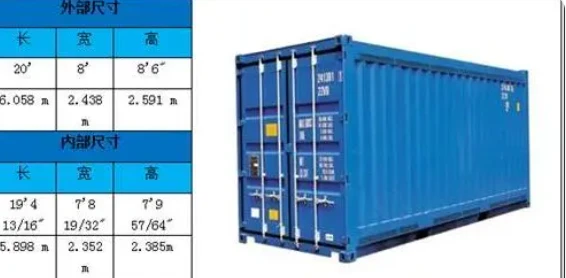
5.69 X 2.13 X 2.18 (m)
Deadweight: 1.8-2.2/2.4 tons
Counterweight: 17.5 tons
Volume (M3): 33.1 cubic meters 20'=28CBM
Generally only loaded to:25~27CBM
This kind of container is usually equipped with heavy cargo.
40' Cabinet (40GP)
11.8 X 2.13 X 2.18 (m)
Deadweight: 3.8-4 tons
Counterweight: 22 tons
Volume (m3): 67.5 cubic meters
40'=58CBM
Generally only loaded to:55~57CBM
40 high cabinets (40HQ)
11.8 X 2.13 X 2.72 (meters)
Counterweight: 22 tons
Volume (m3): 76.2 cubic meters
40HQ'=68CBM
Generally only loaded to:60~65CBM
In addition to the above three kinds of containers, there are other containers are called special containers; this kind of container is generally to meet some special shipping requirements and design out, and in the booking need to look for a separate booking of the shipowner company, because not all ports can provide special container services.
Refrigerated container
Refrigerated container (reefer container) is able to maintain the controlled low temperature insulation container, the temperature can be adjusted between -60 ° C ~ +30 ° C in the external and built-in two kinds of containers. Most of them are used to transport fresh fruits and vegetables, as well as food, meat, vegetables, seafood, medicines and beverages butter, chocolate, frozen fish, condensed milk, margarine and so on, which need temperature control. Built-in container in the transportation process can be started at will freezer, so that the container to maintain the specified temperature; and external type must rely on container special vehicles, ships and special yard station equipped with freezers to cooling.


